Abstract / topic summary
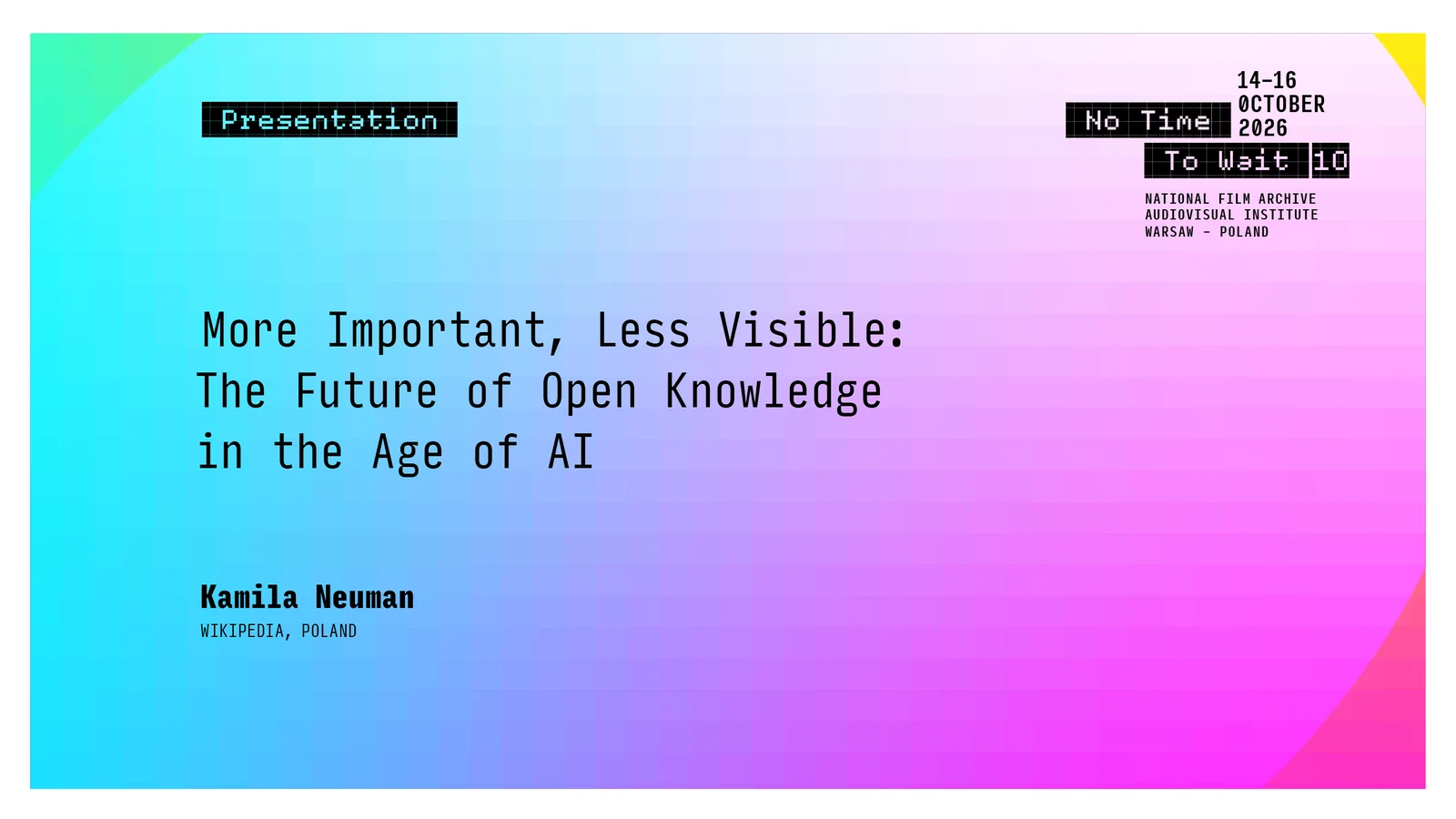
AI systems are becoming a new way to find information, often replacing the click that once allowed people to check where an answer came from. Wikipedia is one of the largest open knowledge projects online, and it highlights a problem shared by archives, libraries, and audiovisual collections: this content is becoming more important to AI, but less visible to the people who use it.
This talk asks a simple question: is AI pushing GLAM institutions to open up further, or to retreat into defensive closure? It argues for a shift in how we see the role of GLAM and Wikimedia in this ecosystem: not just as data providers, but as stewards of high-quality knowledge that AI increasingly depends on.
Opening well-described, structured collections is one of the few ways to make the AI ecosystem more diverse, rather than allowing it to become dominated by a few large models. The talk closes with examples of real GLAM–Wiki collaborations from the audiovisual sector, and with an open question for the room: how could audiovisual archives become more involved in building this kind of open data? This sets the stage for the “AI in GLAM: Friend or Foe?” panel that follows.
Speaker summary
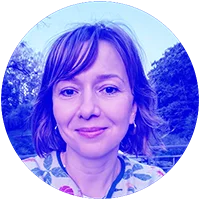
Kamila Neuman
Kamila Neuman is a lawyer, MBA graduate, and expert in open culture and digital cultural heritage. As Open Culture Manager at Wikimedia Poland, she works with cultural institutions to make their collections available under open licences and connect them with Wikimedia platforms such as Wikipedia, Wikimedia Commons, and Wikidata. She combines legal expertise with a practical approach to making cultural heritage more visible and accessible in the digital space. She has spoken at the GLAM-Wiki Conference in Uruguay, the CEE Meeting in Istanbul, the Marketing in Culture conference, and the Digital Culture Forum in Gdańsk. She holds a Creative Commons Certificate for Open Culture. Her current work and this talk both focus on reshaping the role of Wikimedia and GLAM institutions in the age of AI: from simply providing data to acting as stewards of reliable, source-based knowledge and cultural context.